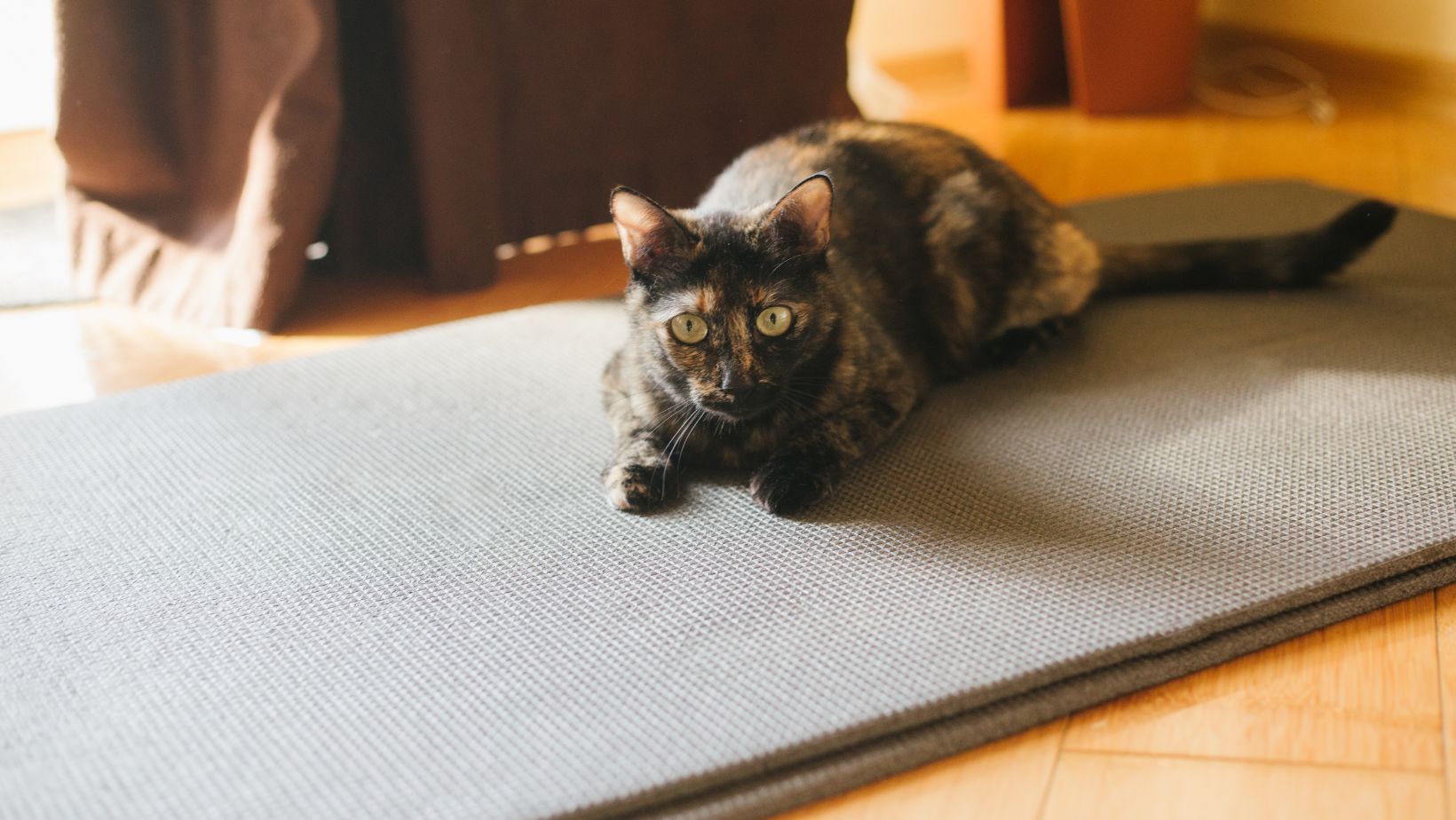
For years, a persistent myth has circulated among pet owners: the idea that cats are untrainable. While dogs are often seen as the “eager students” of the animal kingdom, cats have been labeled as aloof, independent, and largely indifferent to human instruction. However, modern animal behavioral science tells a different story. Cats are highly intelligent and capable of learning complex tasks; they simply require a different motivational framework.
Unlike dogs, who often work for social praise, cats are pragmatists. They operate on a “what’s in it for me?” basis. By shifting our approach from traditional obedience to a gentle, reward-based system, we can address common household challenges—like furniture scratching, picky eating, and recall—while strengthening the bond of trust between feline and human.
The Power of Identity: Teaching Your Cat Their Name
One of the most essential skills any cat can learn is responding to their name. Beyond the charm of having your pet trot toward you when called, a reliable recall is a fundamental safety measure. Whether your cat has slipped out the front door or is hiding during an emergency, their ability to respond to your voice can be life-saving.
The secret to successful name training is making the sound of their name synonymous with a “jackpot” reward. Cats are sensory-driven, so choose a treat that is irresistible—perhaps a small morsel of freeze-dried salmon or a tiny dab of wet food.
Start in a quiet room with no distractions. Say your cat’s name clearly. The moment they look at you or move their ears in your direction, give them the treat. You aren’t asking for a “sit” or a “stay” yet; you are simply building a positive neurological association with the sound of their name. Keep sessions incredibly short—no more than two minutes. Cats are masters of focus, but they tire of repetitive tasks quickly. With consistency, you will find that your cat begins to associate their name with the best parts of their day.
Redirecting Instincts: Protecting Your Furniture
Scratching is often viewed as a behavioral problem, but for a cat, it is a biological necessity. They scratch to stretch their muscles, shed the outer sheaths of their claws, and mark territory through scent glands in their paws. The goal of training is not to stop the scratching, but to redirect it from your sofa to an appropriate surface.
To achieve this, you must provide a “yes” for every “no.” If your cat is targeting the arm of your favorite chair, place a high-quality scratching post directly next to that spot. Texture is vital here; most cats prefer the rough feel of sisal rope or the satisfying “shred” of corrugated cardboard.
To make the sofa less appealing, you can temporarily use double-sided tape or a specialized furniture protector. When the cat investigates their usual spot and finds it unpleasant, they will naturally turn to the nearby post. The moment they use the post, offer immediate praise or a treat. This “soft” redirection respects the cat’s natural instincts while establishing clear boundaries within the home.
Clinical Insights on Feline Behavior
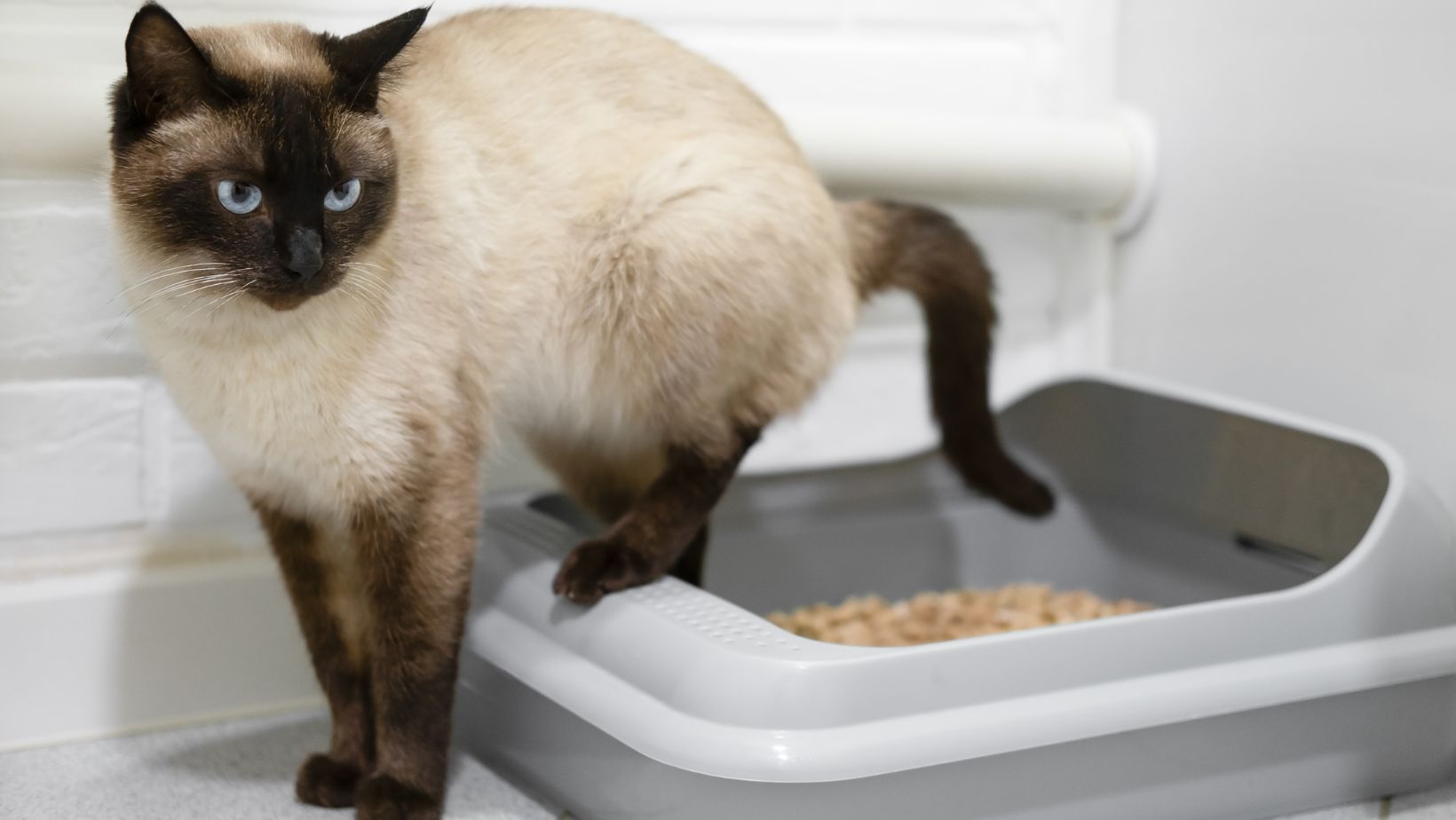
Training is rarely just about “learning tricks”; it is deeply tied to an animal’s overall sense of security and physical well-being. A stressed or poorly nourished cat is far less likely to engage in learning new habits. This is where professional medical guidance becomes an essential part of the behavioral puzzle.
Dr. Nicoletta Nica, a specialist at the cat clinic ModernVet, emphasizes that a holistic view is necessary for success. According to Dr. Nica:
“Feline behavior is a delicate balance of biology and environment. When we see a cat struggling with basic training or displaying ‘destructive’ habits, we must first look at their health and stress levels. A cat that feels safe and is physically thriving is naturally more curious and cooperative. By aligning medical wellness with gentle behavioral shaping, we create an environment where the cat doesn’t just obey, but actively chooses to participate in the household routine.”
This medical perspective reminds us that a “stubborn” cat might actually be a cat in discomfort or one that lacks the right environmental triggers to feel confident.
The Culinary Shift: Transitioning to Dry Food
Many owners face the challenge of transitioning their cats to a dry food diet, whether for dental health reasons, convenience, or specific nutritional requirements. Because cats are “imprint eaters,” they can be incredibly resistant to changes in the texture or smell of their meals.
The key to a stress-free dietary transition is patience and “scent-stacking.” Never pull a “cold turkey” switch; this can lead to hepatic lipidosis if a cat refuses to eat for more than 24 hours. Instead, start by placing a small bowl of the new dry kibble next to their usual wet food. Allow them to sniff it without pressure.
Once they are accustomed to the presence of the new food, begin mixing a tiny amount—think 5% to 10%—into their wet food. Over the course of two to three weeks, gradually increase the ratio of dry to wet. If the cat hits a plateau and refuses to eat, go back one step for a few days. Using “toppers” like a splash of warm water or a sprinkle of nutritional yeast can also help bridge the gap by enhancing the aroma of the kibble.
Mental Stimulation and the “Hunt-Eat-Groom” Cycle
A well-behaved cat is almost always a cat that has had its predatory drive satisfied. In the wild, a cat’s day is structured around the hunt. In a domestic setting, we can replicate this through play. Using wand toys to simulate the movement of a bird or a mouse allows the cat to engage in the “stalk, pounce, and kill” sequence.
If you follow a vigorous play session with a meal, you are completing the natural “Hunt-Eat-Groom-Sleep” cycle. This leads to a much more relaxed pet who is less likely to wake you up at 3:00 AM or scratch at the carpet out of boredom. A tired cat is a trainable cat, as their excess energy has been spent in a constructive, instinctual way.
Conclusion: Building a Partnership
Training a cat is a lesson in patience and empathy. It requires us to step out of our human-centric view of “commands” and into the feline view of “cooperation.” By using high-value rewards, respecting their physical needs for scratching and hunting, and consulting with a trusted vet for cat health issues, you can transform your relationship with your pet.
Success shouldn’t be measured by how many tricks your cat can perform, but by how harmoniously you live together. When your cat hears their name and comes running, or chooses their scratching post over your leather chair, they aren’t just “following orders”—they are choosing to live in balance with you.